


Why Does Your Art Always Get the Leftover Hours?
Listen to This Episode
“Why Does Your Art Always Get the Leftover Hours?“ on:
When you’re so busy pursuing creative opportunities that there’s barely any time left to create.
You can spend an extraordinary amount of time working on your artistic career without actually making much art.
There are auditions to prepare, applications to submit, agents to approach, emails to answer, materials to update, and opportunities to investigate. Then there’s the marketing, networking, administration, and financial reality of keeping an artistic career going.
All of it can be necessary. Some of it can even be exciting.

But when the end of another busy week arrives, you may realise you’ve spent almost no time doing the thing that made you want to be an artist in the first place.
I’ve experienced this myself, and it taught me something about the difference between pursuing an artistic career and actually practising my artistry.
When Your Artistic Career Takes Over Your Creative Life
Years ago, after living in London, I moved to Melbourne, Australia. I was entering a completely different professional arts environment, and although I had considerable experience behind me, I was relatively unknown in this new market.
At the same time, I was raising two young children.
It was a demanding combination. I was adjusting to a different industry, trying to establish new professional relationships, and finding the time and energy to pursue acting opportunities alongside family life.
I was doing what professional actors are expected to do: searching for auditions, applying for castings, approaching agents, preparing materials and putting myself forward for opportunities.
None of those activities was a waste of time. They were part of developing my career.
The problem was the balance between what I was investing and what I was experiencing.
A great deal of energy was going into trying to secure opportunities, while relatively few opportunities to actually perform were coming back.
It became increasingly unenjoyable.
And I think this is an important distinction. It wasn’t simply that I needed to organise my time better. I was already working hard. The problem was that so much of my available creative energy was being spent trying to get permission to do what I loved.
The Frustrating Business of Being an Artist
Professional artists are often running two parallel activities: making art and managing everything required to earn opportunities to make art.
An actor might spend hours searching for castings and preparing audition material. A musician may spend more time managing bookings and promoting performances than composing or rehearsing. A writer might become consumed with pitching, submitting and building a platform.
Of course, these experiences are different. Some creatives can make and distribute their own work relatively independently, while others rely heavily on collaborators, commissions, productions or employers.
But the underlying frustration can be similar.
You can work exceptionally hard on your artistic career and have very little visible creative output to show for it.
And when the opportunities are scarce, this becomes especially difficult. A beautifully prepared submission doesn’t guarantee a response. A strong audition doesn’t guarantee a booking. A great pitch doesn’t guarantee a commission.
The effort is real, but the outcome remains uncertain.
Over time, it’s possible to become so occupied with securing the next opportunity that the actual experience of creating begins to disappear from your days.
For artists who genuinely love their craft, that’s an uncomfortable place to find yourself.
What Changed When I Started Making My Own Work
Eventually, I decided to put some of my energy into creating scenes and short films that could be used to refresh my acting demo reel.
This wasn’t a decision to abandon professional acting ambitions. Quite the opposite.
A strong demo reel is part of an actor’s professional toolkit. I needed material that represented what I could do and could be used to pursue future opportunities.
But there was something quite different about making that material rather than spending all my available hours applying for work.
I was involved in the creative process again.
I wasn’t simply waiting for someone to offer me a role. I was participating in making something and using my abilities as an actor.
The greatest benefit was the sense of taking some control of my artistic life. I was making progress on a genuine professional need while spending time being creative.
I didn’t have to choose between doing something valuable for my career and doing something artistically fulfilling.
For me, that was a much healthier use of some of my limited time.
Creating Your Own Opportunities Doesn’t Mean Working for Free
I want to be careful here, because there’s an important difference between choosing to create your own material and being expected to provide professional artistic services without payment.
Artists deserve to be paid for their expertise, preparation, time, and skill.
And creating your own projects isn’t a magical solution to the financial realities of an artistic career. A short film may require collaborators, equipment and money. Producing a play or recording music can involve substantial costs. Some artists simply don’t have the resources to initiate projects whenever they wish.
Nor should every personal project be expected to become a business opportunity.
The distinction is one of choice.
When I created material for my reel, I was intentionally using my creative abilities to develop something I needed professionally. That felt very different from putting endless effort into submissions and waiting to see what happened.
Sometimes making your own work is about professional development. Sometimes it’s about experimenting, learning, collaborating or enjoying an art form without immediately attaching a commercial outcome.
Both have value.
Making Time for Art When Life Is Already Full
It’s tempting to turn this conversation into another productivity lesson. Block out two hours. Wake up earlier. Be more disciplined.
But advice like that can be frustrating when you’re already juggling children, employment, caregiving, household responsibilities, and the ordinary demands of life.
There isn’t always more time available.
Instead, it can help to examine how you’re using the creative time you already have.
Which activities genuinely need your attention? Which ones support your professional goals? And have the administrative and promotional tasks gradually expanded to occupy every available moment?
Perhaps some of the time currently devoted to pursuing opportunities could also be used to develop your craft or create something of your own.
For an actor, it might be filming a scene with a colleague. For a writer, it could mean returning to a piece that nobody has commissioned. A dancer might make space to experiment with movement outside a scheduled production. A musician might begin recording an idea rather than waiting for the ideal circumstances.
The right choice will depend on your discipline, resources and circumstances.
And it doesn’t have to produce an immediate career result to be worthwhile.
The question is not how to squeeze more tasks into an overcrowded week. It’s whether some of your artistic energy could be redirected toward actually making art.
Don’t Let the Pursuit of Art Replace the Art Itself
I still believe in pursuing professional opportunities. I believe in auditions, agents, submissions, marketing, preparation, and treating an artistic career seriously.
I’ve spent nearly three decades working across the performing and creative arts, and I know those professional realities aren’t going away.
But I also know how easy it can be to become so busy trying to secure the next opportunity that we forget to leave room for creating.
The business of being an artist should support our artistry, not quietly take its place.
So here’s a question worth asking yourself:
What is one thing I could actually create, rather than spending all my available time trying to be chosen to create something?
It may be a small project. It may contribute directly to your professional development. Or it may simply give you time to practise an art form you love.
Whatever it looks like, your creativity deserves more than whatever time happens to be left over.
Go Deeper with Audacious Artistry
If this conversation speaks to something you are navigating, my book Audacious Artistry: Reclaim Your Creative Identity and Thrive in a Saturated World goes deeper into creative identity, ambition, success, comparison, and building an artistic life that belongs to you.
You can also download the free 10-week Audacious Artistry Group Study Guide and walk through the book on your own, with a friend, or with a group of artists.
Find the book and free guide at: https://larabiancapilcher.com/book
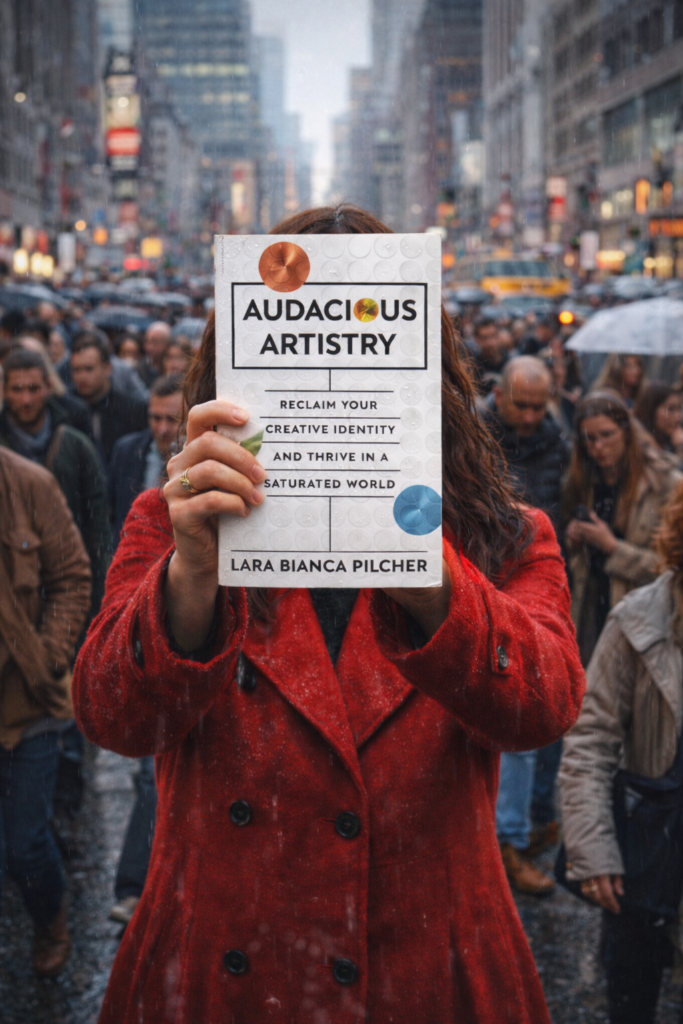
It’s written for artists and creatives who still feel called to create but are tired of proving, comparing, waiting for permission, or wondering if their work still matters.
Read the book + get the free guide:
https://larabiancapilcher.com/book
This article is adapted from the Healthy Wealthy Wise Artist Podcast episode:
Listen to This Episode
“Why Does Your Art Always Get the Leftover Hours?“ on:
Or visit the podcast page:
https://larabiancapilcher.com/podcast
With you as you keep creating,
— Lara Bianca Pilcher
Connect with Lara
Website:
https://larabiancapilcher.com
Instagram:
https://instagram.com/larabiancapilcher




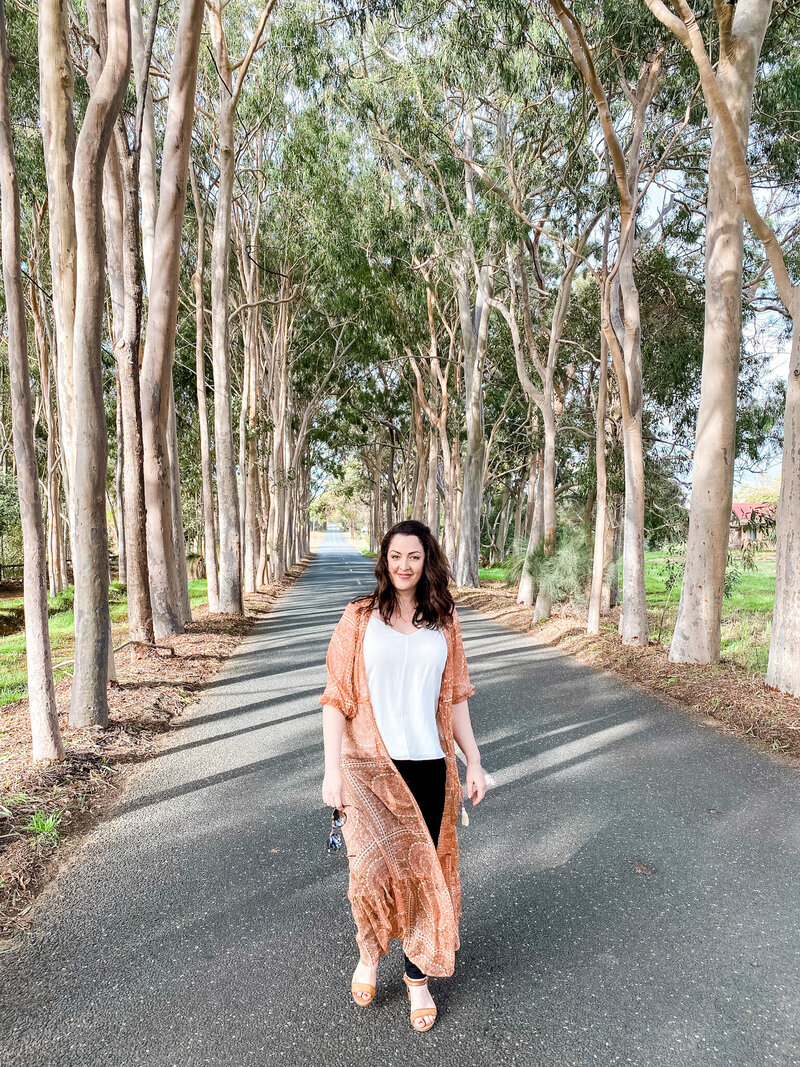




Build a life of love, purpose, adventure & boundless creativity!