


Listen to This Episode
“Everyone Loves Art Until the Artist Wants to Be Paid“ on:
Everyone Loves Art Until the Artist Wants to Be Paid
Why professional artists are still expected to give away their time — and what respect could look like instead.
We listen to music on the way to work. We watch films, read books, enjoy live performances and fill our homes with things artists have made. Art is so much a part of everyday life that we barely notice how often we turn to it.
Then someone tells a dancer, actor, musician or painter to get a “real job.”
Or asks a professional artist to contribute their skills to an event, a production or a personal project — without stopping to consider payment.
That contradiction has followed me through almost 30 years of professional artist life. People can genuinely love art while having very little understanding of the labour behind it. And many artists are expected to work for free precisely because they love what they do.
There’s no simple fix for the economics of creative careers. But we can start by making one distinction: a gift an artist chooses to give is not the same as work someone else assumes they can have for nothing.
We See the Finished Art, Not the Hours Behind It
Imagine discovering that a friend is a visual artist and immediately asking whether they could paint something for your wall. Or hearing that someone sings professionally and inviting them to perform at your event.

The request may come from admiration rather than disrespect. Someone likes your talent and wants to experience it. They may even think they’re offering you an exciting opportunity.
What they may not see is the preparation: the training, planning, materials, rehearsals, revisions, and creative decisions that make the finished art possible.
A performance lasts a few minutes or a few hours. A painting becomes a beautiful object on someone’s wall. The final result doesn’t reveal all the time or experience behind it.
Artists learn to notice that hidden work because it’s the part we live every day. Our audiences don’t always have that perspective. That gap in understanding matters when someone is asking us to contribute our professional skills.
When a Good Cause Assumes the Artist Will Work for Free
Years ago, I helped create choreography for a large production in a faith-based setting. I wasn’t appearing onstage. I was using my professional skills to create part of the production, spending Sunday after Sunday putting it together.
When it finally went onstage, there wasn’t even a thank-you card or a simple acknowledgement of the work involved.
I was angry. It wasn’t that I expected applause. What hurt was the sense that the contribution itself had not been understood.
This is especially complicated when art serves a purpose beyond entertainment. In churches, charities and community organisations, people often volunteer because they believe in what the project is doing. I believe generosity matters, too. I’ve chosen to give my time and artistry to things I care about, and I will again.
But a meaningful purpose doesn’t automatically give an organisation unlimited access to a professional artist’s time.
Even when a production genuinely has no budget, it can still recognise the value of what people contribute. It can be clear about the commitment, ask rather than assume, credit the people involved, and thank them properly.
Respect is not limited to projects with money.
Professional Artists and Hobbyists Can Be Equally Talented
Another part of this conversation is uncomfortable but important. Professional artists and people who create as a hobby often work alongside one another.
A hobbyist can be exceptionally talented. They might be delighted to give their time to a production, join a creative project or perform for the joy of it. The experience may be enough for them. There’s nothing wrong with that choice.
But a professional artist may be using the same hours and skills to earn a living. The two people can be equally committed to making excellent art while facing completely different financial realities.
The difficulty comes when organisers treat everyone’s creative time as though it has the same economic cost. What is a welcome opportunity for one person may be a significant amount of unpaid labour for another.
This isn’t a reason to blame hobbyists for being generous or enjoying their art. It’s a reason to recognise the difference between someone’s freely chosen contribution and an expectation placed on a professional.
Not Every Art Form Has the Same Path to Payment
It’s tempting to say that artists should simply charge for everything. But that leaves out the real economics of different creative careers.
A visual artist may sell a painting, print, or commissioned piece. A musician might earn through recordings, performances, and other music-related work. Actors may depend on bookings, with long gaps between jobs. Dancers may teach, work on projects, join companies, apply for grants or make extraordinary work that they share online without earning anything from it.
An excellent piece of art can exist without an obvious buyer or a reliable way to earn from it. Artists sometimes accept unpaid projects because they value the experience, the collaboration, the cause, or the possibility of future work.
Those choices are personal. Some are strategic, some are generous, and some are made because paid opportunities are scarce. We shouldn’t pretend they’re all the same.
Nor should we pretend that professional artists don’t have to pay rent, buy groceries, support families, or plan for the future.
An artist can love an opportunity and still need an income. Both are true.
A Gift Is a Choice, Not an Assumption
I don’t believe every creative collaboration must come with a cheque. I do believe we need more honest conversations before the work begins.
If you’re asking an artist to contribute, talk about the scope and the budget. If there is no money available, say that clearly. Let the artist decide whether they want to participate, without turning a refusal into a question of generosity or commitment.
If you’re the artist, try asking one simple question before saying yes:
“Is there a budget for the creative work?”
That is a professional question, not an apology. It leaves room for a paid agreement, a smaller scope, a different arrangement, or a gift you genuinely want to give.
And if you’ve already chosen to volunteer, your time is still valuable. Clear expectations, credit, and gratitude should not depend on whether money changes hands.
Loving Art Means Valuing the People Who Make It
The next time someone says artists should get a “real job,” I hope we remember how much of daily life depends on people making art.
Of course artists need to face the financial realities of their profession. There are serious questions about who pays, what audiences can afford, and how creative careers can support a life. I don’t want to dismiss any of those questions.
But a paycheque is not what makes artistry worthy of respect. A creative career doesn’t become legitimate only when the income is impressive.
We can love the art and respect the person making it. We can celebrate someone’s generous contribution without assuming the next artist owes us the same thing.
And professional artists can stop apologising for asking what the work is worth.
The question isn’t whether every act of creativity needs a price. It’s whether the artist gets to choose when their work is a gift.
Go Deeper with Audacious Artistry
If this conversation speaks to something you are navigating, my book Audacious Artistry: Reclaim Your Creative Identity and Thrive in a Saturated World goes deeper into creative identity, ambition, success, comparison, and building an artistic life that belongs to you.
You can also download the free 10-week Audacious Artistry Group Study Guide and walk through the book on your own, with a friend, or with a group of artists.
Find the book and free guide at: https://larabiancapilcher.com/book
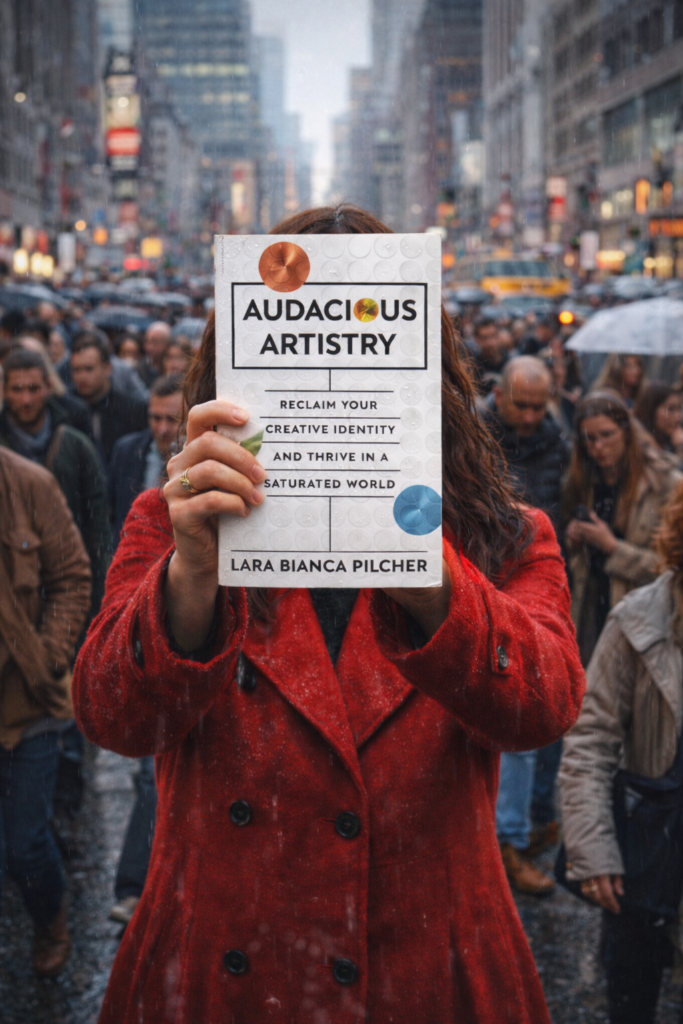
It’s written for artists and creatives who still feel called to create but are tired of proving, comparing, waiting for permission, or wondering if their work still matters.
Read the book + get the free guide:
https://larabiancapilcher.com/book
This article is adapted from the Healthy Wealthy Wise Artist Podcast episode:
Listen to This Episode
“Everyone Loves Art Until the Artist Wants to Be Paid“ on:
Or visit the podcast page:
https://larabiancapilcher.com/podcast
With you as you keep creating,
— Lara Bianca Pilcher
Connect with Lara
Website:
https://larabiancapilcher.com
Instagram:
https://instagram.com/larabiancapilcher







Build a life of love, purpose, adventure & boundless creativity!